 Loading... Please wait...



Save Money. Grow Your Own!
Fast Plain Box Shipping.
We ship to the US & Canada.
Grow Your Own!
10 Tips For Sewer and Plumbing Problems
Posted on 17th Dec 2025
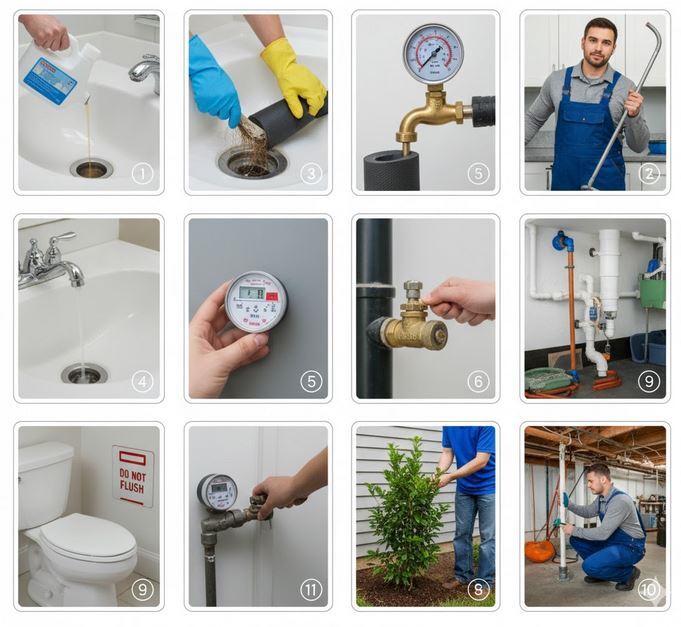
Plumbing problems affect your comfort, your water bill, and the long‑term health of your home’s structure. Small leaks, slow drains, or strange noises often serve as early warning signs that something deeper is wrong. Learning how to respond quickly and wisely helps you protect your home, your budget, and your peace of mind.
1. Learn the Early Warning Signs
Many major plumbing problems start small, with symptoms that are easy to overlook. By learning what “normal” looks and sounds like in your home, you can quickly spot when something is off.
Common early warning signs include:
-
Slow drains in sinks, tubs, or showers
-
Gurgling sounds when toilets are flushed or water drains
-
Faint sewer or musty odors around drains or in lower levels of the home
If you notice more than one of these at the same time, your home may be facing deeper plumbing problems in the main sewer or drainage system rather than a single clogged fixture.
2. Take Slow Drains Seriously
A single slow drain is often caused by hair, soap scum, or food debris near the fixture. When multiple drains slow down together, that points toward more serious plumbing problems. Ignoring slow drains can allow minor clogs to harden and grow, turning a simple clean‑out into a full blockage.
For a single fixture, you can usually start by:
-
Removing and cleaning the drain cover or stopper
-
Using a small plastic drain tool to pull out hair or debris
-
Flushing with hot water (and a small amount of dish soap for greasy kitchen sinks)
If these steps do not help—or the issue returns quickly—there may be a partial blockage deeper in the line that needs professional attention.
3. Be Very Careful What You Flush
Toilets are designed to handle only human waste and toilet paper. Many plumbing problems start because people treat toilets like trash cans. Even products labeled as “flushable” can cause issues when they accumulate in pipes and sewer lines.
Do not flush:
-
Wipes of any kind (including “flushable” wipes)
-
Paper towels, tissues, or napkins
-
Feminine hygiene products or cotton pads
-
Dental floss, cotton swabs, and similar items
These materials do not break down quickly and can snag inside pipes, creating stubborn clogs that lead to larger plumbing problems and sewage backups.
4. Keep Grease and Food Out of Drains
Kitchen sinks are a common source of plumbing problems because of grease and food scraps. Grease may go down as a liquid but cools and solidifies inside your pipes, coating the walls and trapping food particles.
To avoid this:
-
Let grease cool and harden in a container, then throw it in the trash
-
Wipe greasy pans with paper towels before washing
-
Use a sink strainer to catch food scraps and empty it into the trash
Over time, good habits in the kitchen can dramatically reduce the risk of blocked lines and backups that affect the entire home.
5. Watch Out for Hidden Leaks
Not all plumbing problems are loud and obvious. Slow, hidden leaks can cause more damage than dramatic bursts because they soak walls, subfloors, and cabinets over time.
Look for these signs of hidden leaks:
-
Unexplained increase in water bills
-
Damp spots, warped flooring, or soft drywall
-
Moldy or musty smells in specific areas
If you suspect a hidden leak, do not ignore it. Leaks often cause structural damage, encourage mold growth, and can weaken materials long before they become visible on the surface.
6. Know Your Main Shut‑Off Valve
Being prepared is one of the most important tips for handling plumbing problems. In an emergency—such as a burst pipe or overflowing fixture—turning off the water quickly can prevent major damage.
Every homeowner should:
-
Locate the main water shut‑off valve (often near where the water line enters the home, in a utility room, garage, or basement)
-
Test it periodically to make sure it still turns easily
-
Show other adult family members where it is and how to use it
In a crisis, seconds count. Knowing exactly where to go and what to do helps you stop water at the source while waiting for a plumber.
7. Schedule Preventive Drain and Sewer Maintenance
Preventive care is one of the best ways to avoid serious plumbing problems. Just like HVAC systems, plumbing systems benefit from regular checkups and cleaning.
Consider scheduling:
-
Periodic professional drain cleaning for heavily used lines (kitchens, main baths)
-
Sewer camera inspections, particularly in older homes or properties with large trees near the line
-
Routine plumbing maintenance visits that include leak checks, water pressure tests, and inspection of visible pipes
Regular maintenance helps catch small issues—like early root intrusion, corrosion, or minor leaks—before they turn into sudden, expensive emergencies.
8. Treat Strange Noises and Smells as Red Flags
Unusual sounds and odors often indicate brewing plumbing problems. They may not be glamorous signs, but they are some of the most important clues your plumbing system provides.
Pay attention to:
-
Gurgling or bubbling noises from drains or toilets
-
Persistent sewer odor near drains, floor drains, or in lower levels
-
Whistling or banging noises in pipes when fixtures are used
These may signal venting issues, partial blockages, high water pressure, or failing components. Addressing them sooner rather than later can prevent sewage backups, pipe damage, and unsafe conditions in the home.
9. Avoid Overusing Chemical Drain Cleaners
When confronted with slow drains or clogs, many homeowners grab chemical drain cleaners first. While they can appear to offer a quick fix, they often make plumbing problems worse in the long run.
Potential downsides include:
-
Corrosion and weakening of pipes over time
-
Only partially clearing clogs, causing them to reform quickly
-
Posing safety risks if mixed with other chemicals or used on certain materials
Mechanical methods (plunging, drain snakes, professional augers) and expert drain cleaning are safer and more effective solutions for long‑term health of your plumbing system.
10. Know When to Call a Professional Plumber
Some minor plumbing problems can be handled with basic DIY steps, but there are clear times when professional help is essential. Calling in a plumber at the right moment prevents more severe damage and often saves money.
Call a professional when:
-
Multiple fixtures back up at once (especially on lower levels)
-
Sewage or dirty water appears in showers, tubs, or floor drains
-
You see repeated clogs that return shortly after clearing
-
There is a sudden, major leak or burst pipe
-
You suspect serious sewer or main‑line issues
A licensed plumber has the tools, expertise, and diagnostic equipment to find the root cause of plumbing problems and provide long‑term solutions rather than temporary fixes.
Conclusion: Stay Ahead of Plumbing Problems
Plumbing problems do not have to catch you by surprise. With smarter daily habits, attention to early warning signs, and a plan for preventive maintenance, you can greatly reduce the chances of facing severe sewer or water issues. When something feels off—slow drains, strange sounds, persistent odors, or recurring clogs—treat it as your system asking for help. Responding early and calling a professional when needed is the best way to keep your plumbing reliable, safe, and ready for everyday life.