 Loading... Please wait...



Save Money. Grow Your Own!
Fast Plain Box Shipping.
We ship to the US & Canada.
Grow Your Own!
Choosing the Right Fence Material for Your Garden
Posted on 20th Dec 2025
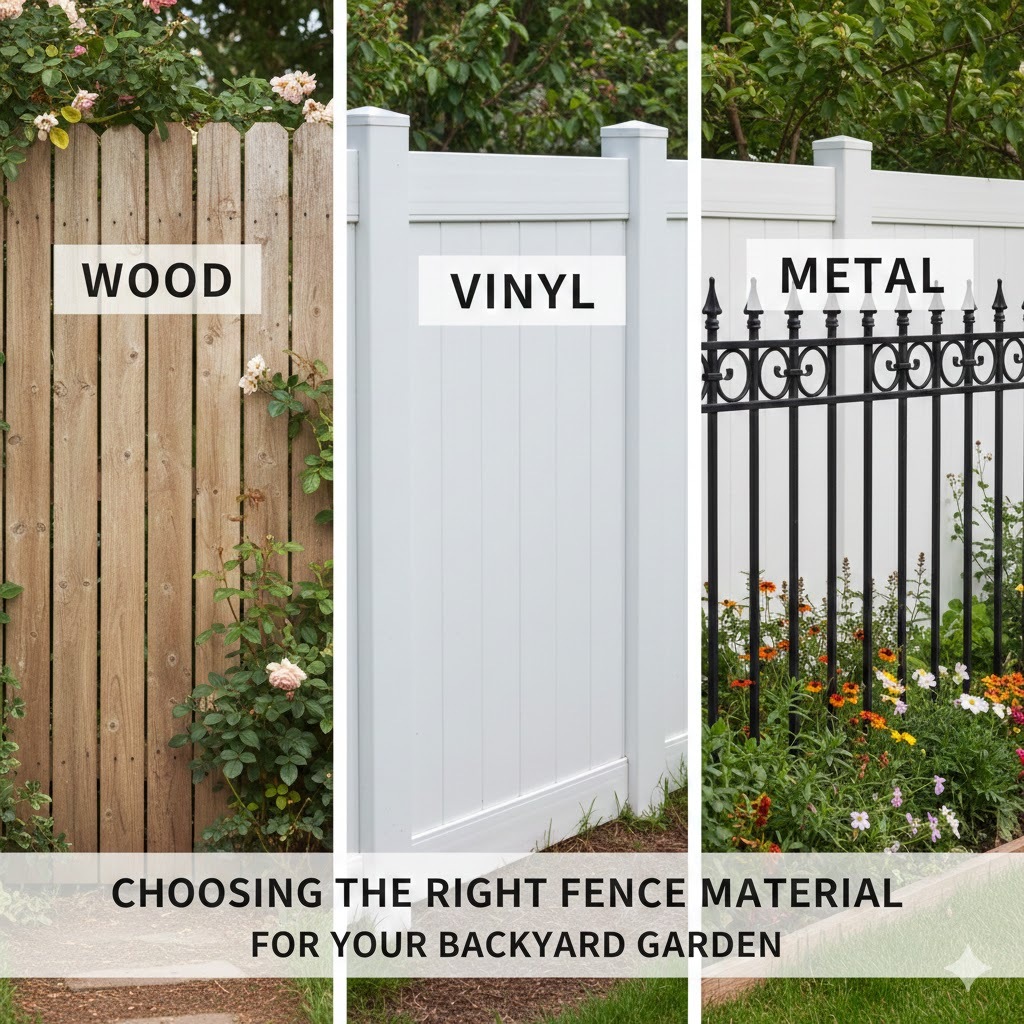
A backyard garden fence does much more than mark a boundary; it shapes privacy, security, and the overall look and feel of the space. Choosing between wood, vinyl, and metal fencing comes down to how you balance aesthetics, maintenance, durability, and budget.
What a Fence Does for a Garden
A well‑planned garden fence creates structure and solves several practical problems at once.
-
Defines property lines and keeps kids and pets safely inside the yard.
-
Blocks views from neighbors and streets to create a more private outdoor room.
-
Helps protect plants from wind, pests, and larger animals that might damage beds.
-
Sets the visual style of the garden, from rustic cottage to sleek modern.
For most homeowners, the main question is which fence material delivers the best mix of privacy, appearance, and long‑term cost.
Wood Fence: Warm and Natural
Wood fencing is often the first image that comes to mind for a classic backyard garden.
-
Appearance: Wood offers a natural look that blends seamlessly with plants and landscaping and can be painted or stained in any color.
-
Customization: It is easy to cut, shape, and install in varied styles like privacy panels, pickets, or lattices for climbing vines.
-
Cost: Upfront cost is usually lower than metal and often lower than high‑quality vinyl, depending on wood type and design.
However, wood does require regular upkeep to stay attractive and structurally sound.
-
Maintenance: Expect periodic staining, sealing, or painting to protect against moisture, UV exposure, and splitting.
-
Durability: Even with care, wood can warp, rot, or be damaged by termites and carpenter ants over time, especially in wetter or humid climates.
-
Lifespan: A well‑built and maintained wood fence can last many years, but typically not as long as metal or premium vinyl installations.
Wood is ideal if garden character and flexibility matter more to you than minimizing maintenance.
Vinyl Fence: Low‑Maintenance Privacy
Vinyl fencing (often PVC‑based) has become a popular alternative because it offers a clean look with very little routine care.
-
Appearance: Modern vinyl can mimic the look of painted wood, including classic white picket, semi‑privacy, and full privacy panels.
-
Maintenance: Vinyl does not need painting or staining and only requires occasional washing to remove dirt, mildew, or algae.
-
Durability: Quality vinyl does not rot, warp, or splinter and is impervious to pests like termites and carpenter ants.
That convenience, however, comes with trade‑offs.
-
Cost: Vinyl typically has a higher upfront price than many wood options and some basic metal fence styles.
-
Repairs: While panels last a long time, replacing a damaged section can be more involved because it often must match the original manufacturer’s system.
-
Environmental impact: Vinyl is not as eco‑friendly as sustainably sourced wood, and color choices are limited to what manufacturers offer.
Vinyl works well for gardeners who want a tidy, consistent backdrop with maximum privacy and minimal long‑term work.
Metal Fence: Strength and Security
Metal fencing includes materials like aluminum, steel, and wrought iron, each known for strength and longevity.
-
Durability: Metal fences resist rot, warping, and insect damage and, when properly coated or galvanized, can stand up well to harsh weather for many years.
-
Security: Metal is harder to cut through or break, so it offers better security than typical wood or vinyl designs.
-
Style: From ornamental wrought iron to streamlined aluminum pickets or slats, metal provides a visually open, elegant frame for a garden.
There are still factors to weigh before choosing metal for a backyard garden.
-
Privacy: Most metal designs are open, so they are better at defining boundaries and deterring intruders than blocking views, unless paired with plants or panels.
-
Cost: Wrought iron and heavy steel tend to be among the more expensive fence options, though aluminum can be more affordable and lightweight.
-
Heat and dents: In very sunny climates, some metal surfaces can get hot to the touch, and lighter aluminum panels can dent if hit hard.
Metal is a smart choice if long‑term durability and security are top priorities and you prefer a more open view across the garden.
Wood vs Vinyl vs Metal at a Glance
The table below highlights key differences to help you match the fence type to your garden goals.
When choosing a backyard garden fence, think about how much privacy you want, how much maintenance you are comfortable with, and how long you plan to stay in the home. For many homeowners, wood delivers character, vinyl offers ease, and metal provides lasting strength, so the “best” choice is the one that matches your priorities.