 Loading... Please wait...



Save Money. Grow Your Own!
Fast Plain Box Shipping.
We ship to the US & Canada.
Grow Your Own!
Custom HVAC and Insulation Upgrades for Florida Garages
Posted on 16th Dec 2025
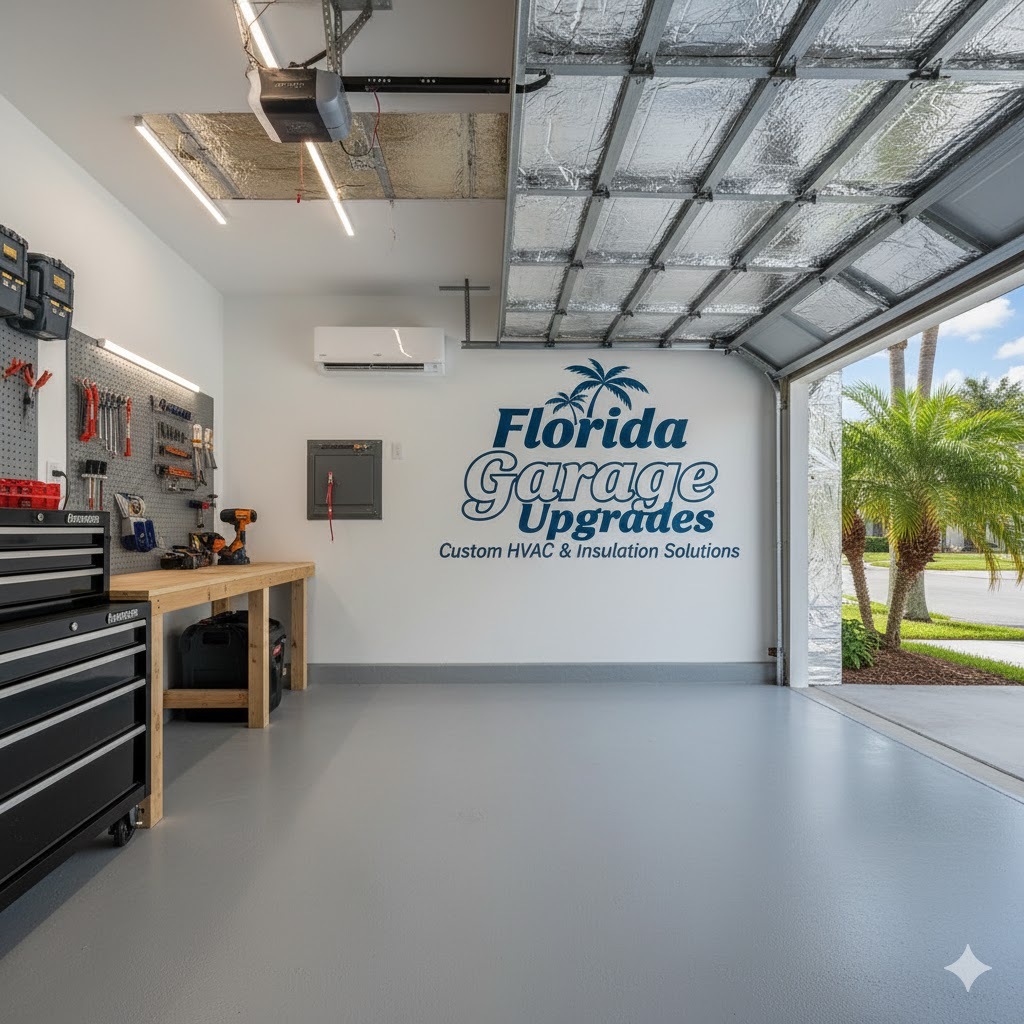
In Florida, garages are notorious for becoming unbearably hot and humid for much of the year. Concrete floors, uninsulated walls, and lack of ventilation create a sweltering environment that makes it hard to use the space for anything beyond basic storage. As more homeowners convert garages into workshops, home gyms, hobby rooms, or small business spaces, the need for custom HVAC solutions has grown dramatically.
A one-size-fits-all approach rarely works in these environments. Custom HVAC design paired with smart insulation upgrades can transform a garage from a stifling box into a comfortable, functional extension of the home. The right plan manages heat, humidity, and airflow while controlling energy costs and preserving the integrity of the main house.
Why Standard Cooling Solutions Fail in Garages
Many homeowners start with temporary fixes like portable AC units or box fans. While these can provide short-term relief, they rarely deliver long-term comfort, and they often struggle with humidity. Without proper insulation, sealing, and custom HVAC design, cooled air quickly escapes, and hot, moist outdoor air rushes in. The result is inconsistent temperature, high energy use, and lingering discomfort.
Tapping into the home’s existing ductwork is another common but risky shortcut. Adding extra registers to a system that was never designed for the additional load can cause poor airflow to other rooms, short cycling, and uneven temperatures throughout the home. Without careful calculations and custom HVAC planning, both the garage and the main living areas can end up uncomfortable and inefficient.
The Benefits of Custom HVAC for Garage Spaces
Custom HVAC systems are designed around the unique challenges of garage environments. Instead of forcing a standard system to do a job it was never intended to handle, custom solutions account for garage size, ceiling height, insulation levels, door type, and how the space will be used. This tailored approach delivers better comfort, better control, and better efficiency.
A well-designed custom HVAC setup gives homeowners more consistent temperatures, improved humidity control, and better indoor air quality. It can also help protect tools, equipment, and stored belongings from extreme heat and moisture. For garages used as workshops or business spaces, custom HVAC can improve productivity and make the area usable for more hours of the day and more months of the year.
Mini-Split Systems: A Popular Custom HVAC Option
Ductless mini-split systems are one of the most popular custom HVAC choices for Florida garages. They consist of an outdoor unit and one or more indoor heads that mount on the wall or ceiling. Because they operate independently from the home’s main system, they provide zoned control and allow homeowners to cool the garage only when needed.
Mini-splits are highly efficient and well-suited for custom HVAC applications in converted spaces. Many models offer both cooling and heating, making the garage comfortable year-round. They are also relatively quiet and unobtrusive, which is ideal for workshops, studios, or home offices. When combined with proper insulation and air sealing, a mini-split can quickly turn a sweltering garage into a cool, comfortable workspace.
Packaged and Through-the-Wall Systems for Unique Needs
For some garage layouts, a packaged or through-the-wall unit may be the best custom HVAC option. These systems can be installed directly in an exterior wall, providing dedicated cooling and sometimes heating without tapping into existing ducts. They are often used in light commercial applications and adapt well to certain residential garage projects.
Through-the-wall units work particularly well when there is limited wall space for mini-split heads or when the homeowner prefers a more self-contained custom HVAC solution. They can be paired with upgraded insulation and sealing to improve performance and efficiency. The key is to size and install these systems correctly, based on real load calculations, not just square footage estimates.
The Critical Role of Insulation in Garage Comfort
Even the most advanced custom HVAC system will struggle if the garage envelope is not properly insulated. Uninsulated exterior walls, ceilings, and garage doors allow heat to flow freely into the space, forcing the HVAC equipment to run longer and harder to maintain a comfortable temperature. Insulation upgrades are essential for turning a garage into a true extension of the home.
Spray foam, rigid foam board, and batt insulation can each play a role in a comprehensive garage upgrade, depending on construction type and budget. Insulating the attic or ceiling above the garage, sealing gaps around windows and doors, and upgrading the garage door itself are all important steps. When combined with custom HVAC design, these insulation improvements dramatically reduce heat gain and improve overall comfort.
Air Sealing, Ventilation, and Moisture Control
Garages often have significant air leaks around the perimeter, at the garage door, and where walls meet the slab. These leaks allow hot, humid air to infiltrate continuously. Custom HVAC plans should always include air sealing strategies, such as weatherstripping, caulking, and sealing penetrations for wiring and plumbing. The tighter the envelope, the more effective and efficient the custom HVAC system becomes.
At the same time, ventilation and moisture control cannot be ignored. Depending on how the space is used, exhaust fans, dehumidifiers, or fresh air intakes may be necessary. For example, a woodworking shop may require dust collection and exhaust solutions, while a home gym might need additional ventilation to handle sweat and moisture. Incorporating these needs into the custom HVAC design keeps the space healthy, comfortable, and safe for regular use.
Electrical Considerations for Custom HVAC in Garages
Adding custom HVAC equipment to a garage may require electrical upgrades. Mini-splits, through-the-wall units, and dehumidifiers each have specific power requirements that must be accommodated. Before installation, it is important to evaluate the existing electrical panel, available circuits, and any additional loads from tools, lighting, or appliances used in the garage.
Proper planning ensures that the custom HVAC system operates reliably without overloading circuits or causing nuisance breaker trips. Coordinating HVAC design with an electrician helps avoid costly rework and protects both the equipment and the home’s electrical infrastructure. For garages that double as workshops with saws, compressors, or welding equipment, this coordination is especially important.
Designing the Garage as a True Extension of the Home
When homeowners invest in custom HVAC and insulation upgrades, the garage becomes more than a place to park cars or store boxes. It can function as a true extension of the home: a climate-controlled workshop, an exercise room, a craft studio, or even a dedicated space for hobbies and side businesses. Comfort, lighting, storage, and layout all benefit from a cohesive design approach.
Thinking of the garage as livable space rather than leftover space helps guide better decisions. Flooring choices, wall finishes, and lighting all work in tandem with custom HVAC to create a pleasant, productive environment. With the right design, homeowners can increase usable square footage and improve their day-to-day lifestyle without the expense of a full addition.
Balancing Comfort, Efficiency, and Budget
Every garage and every homeowner has different priorities. Some projects focus primarily on maximum comfort, while others prioritize cost-effective upgrades and energy efficiency. A well-planned custom HVAC solution balances all three: comfort, efficiency, and budget. This might mean combining a modest mini-split system with strategic insulation upgrades and air sealing to achieve a strong result at a reasonable cost.
Careful sizing, equipment selection, and envelope improvements ensure that money is spent where it will have the greatest impact. Rather than oversizing equipment or relying on temporary fixes, a thoughtful custom HVAC plan turns the garage into a space that is comfortable to use and affordable to operate. For many homeowners, these upgrades offer long-term value, increased home appeal, and greater enjoyment of the property.