 Loading... Please wait...



Save Money. Grow Your Own!
Fast Plain Box Shipping.
We ship to the US & Canada.
Grow Your Own!
Essential AC Maintenance for a Trouble-Free Summer
Posted on 16th Dec 2025
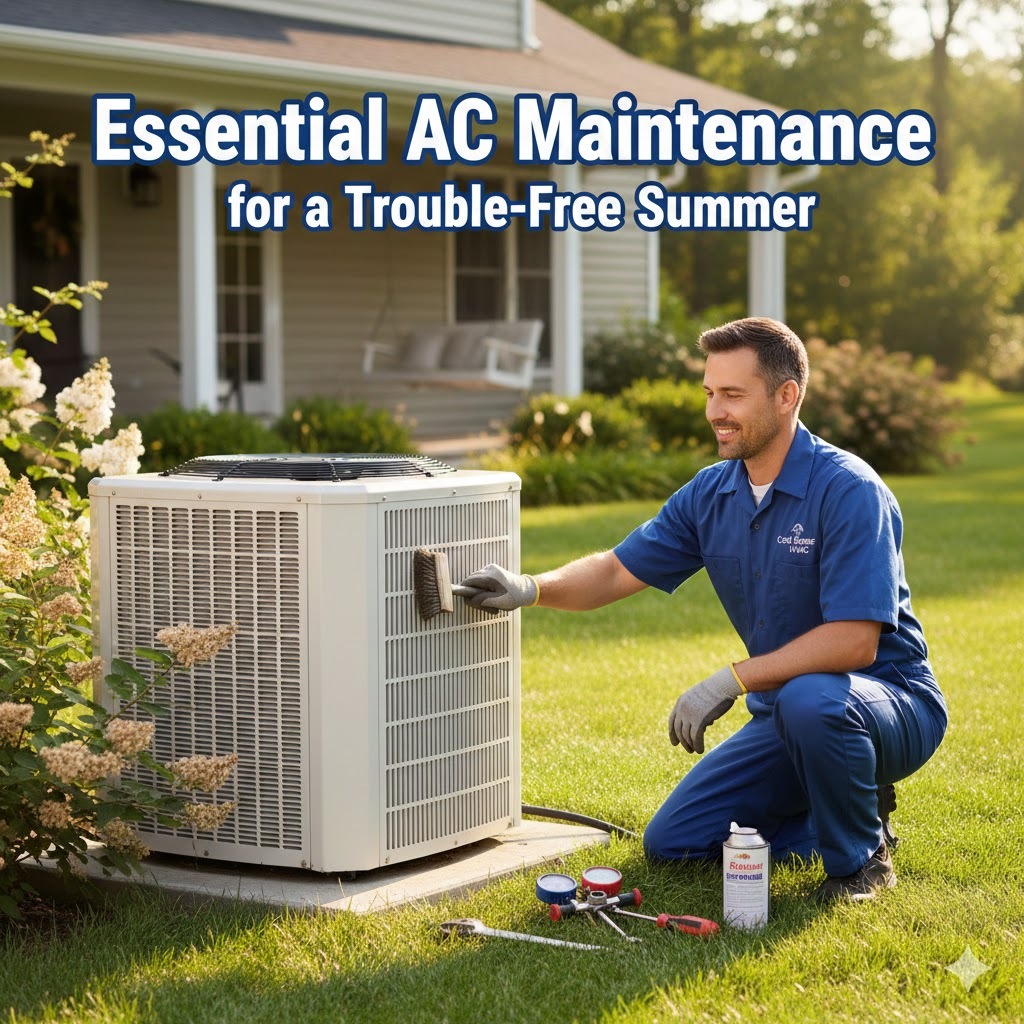
When summer arrives and temperatures soar, reliable cooling is non-negotiable. AC maintenance is the key to making sure your system performs when you need it most instead of failing at the height of a heat wave. Regular care not only helps prevent sudden breakdowns, it also keeps energy bills in check and supports healthier air in your home.
Many homeowners assume AC maintenance must always involve a professional, but there are several simple tasks you can handle on your own. These basic steps, combined with scheduled professional service, form a powerful strategy for extending the life of your system. With a thoughtful approach to AC maintenance, your equipment can run more smoothly, more efficiently, and with fewer surprises.
Why AC Maintenance Matters
Your air conditioner works under heavy stress during long, hot seasons. Dust, pollen, pet hair, and humidity all take a toll on filters, coils, and moving parts. Without consistent AC maintenance, that buildup forces the system to work harder, shortening its lifespan and raising the risk of inconvenient failures just when your home needs cooling most.
Skipping maintenance also tends to show up on your utility bill. A neglected system often uses more electricity to deliver the same comfort. Over time, the cost of higher energy use and more frequent repairs can far exceed the price of preventive care. Good AC maintenance restores efficiency, improves comfort, and gives you peace of mind going into the hottest months of the year.
Safety First Before You Begin
Even basic AC maintenance must be done with safety in mind. Air conditioners use high-voltage electricity and moving fans, so the goal is to perform only safe, surface-level tasks and leave internal repairs to licensed professionals. Never remove access panels, handle wiring, or attempt to adjust refrigerant during your own maintenance routine.
Before touching any part of your equipment, turn the system off at the thermostat. If you plan to be near the outdoor unit or indoor air handler, it is wise to switch the power off at the breaker as well to prevent the system from starting unexpectedly. Wear closed-toe shoes and keep your hands dry. If anything looks damaged, charred, or unsafe, stop immediately and contact a professional instead of experimenting.
Step 1: Inspect and Replace Air Filters
The simplest, most powerful AC maintenance task is keeping the air filter clean. A dirty filter restricts airflow, forcing your system to work harder and longer than necessary. Over time, that extra strain can lead to higher energy bills, hot and cold spots, and unnecessary wear on your blower motor and other components.
Locate the filter in the return air grille or at the indoor unit. Slide it out and hold it up to a light source. If light barely passes through, or if you see thick layers of dust and debris, it is time to replace it. Use the size and type recommended for your system, and ensure the airflow arrow on the frame points toward the air handler when you install it. As part of ongoing AC maintenance, many homes benefit from filter checks every month, especially during heavy use or in households with pets.
Step 2: Check Thermostat Settings and Function
Your thermostat determines when and how your air conditioner runs, so it plays a central role in effective AC maintenance. Start by confirming the thermostat is set to “Cool” in warm weather and that the fan is set to “Auto” rather than “On.” The “Auto” setting allows the system to cycle properly and reduces unnecessary fan run time.
Then compare the set temperature with the current room temperature on the display. If the thermostat is not responding, looks blank, or behaves erratically, replace the batteries if it uses them and verify that the breaker is not tripped. Calibrated, reliable thermostat control helps the system operate efficiently and reduces the chance of unnecessary cycling that can shorten the life of compressors and motors. A poorly functioning thermostat can undo even the best AC maintenance efforts by causing constant strain on the equipment.
Step 3: Clean and Clear Supply and Return Vents
Even with a clean filter, your AC cannot perform well if vents are blocked. As part of regular AC maintenance, walk through your home and check that all supply vents and the main return grill are open and unobstructed. Furniture, rugs, and curtains often shift over time and end up limiting airflow without anyone noticing.
Use a vacuum with a brush attachment to gently clean dust and debris from registers and grills. Removing this buildup improves airflow, helps distribute cool air evenly, and reduces the amount of dirt that eventually reaches your system’s internal components. Consistent, clear airflow is a cornerstone of good AC maintenance because it supports both comfort and efficiency.
Step 4: Inspect the Outdoor Condenser Unit
The outdoor condenser is the heart of your cooling system, and proper AC maintenance requires keeping it clean and clear. Head outside and visually inspect the unit. There should be at least two to three feet of open space on all sides and unobstructed space above. Trim back shrubs, grass, and plants that have crept too close.
Next, look through the sides and top for leaves, grass clippings, or dirt clinging to the coils. Gently brush away loose debris, taking care not to bend the delicate fins. Avoid using high-pressure water or harsh tools. Keeping the outdoor unit clean is critical AC maintenance because blocked coils cannot release heat effectively, forcing your system to run longer and harder to cool your home.
Step 5: Check for Water Leaks and Drainage Problems
Proper drainage is another important part of AC maintenance. When your system cools the air, it removes moisture and channels it away through a condensate drain line. If that line clogs, water can back up, cause damage, and in some systems even trigger safety switches that shut the AC down entirely.
Inspect the area around your indoor unit for signs of water on the floor, stains on nearby walls, or damp insulation. Find the condensate drain line—usually a PVC pipe exiting near the air handler—and confirm that water is dripping steadily outside when the AC runs. A sluggish or dry drain during heavy use can indicate a developing clog. Some homeowners use a wet/dry vacuum on the outdoor end or pour a small amount of diluted vinegar into the indoor access as part of their AC maintenance routine, but serious or recurring drainage issues should be handled by a professional.
Step 6: Listen and Look for Warning Signs
Effective AC maintenance is not just about cleaning; it is also about paying attention to changes. Turn the system on and walk around your home, listening for unusual noises and noting any changes in performance. Normal operation produces a steady hum and a gentle rush of air. Loud banging, screeching, grinding, or persistent buzzing noises are warnings that something is wrong.
At the same time, notice whether certain rooms feel warmer or cooler than before, or whether the system seems to run much longer than it used to. Sudden hot spots, frequent short cycling, or constant running can all be early indicators of developing issues. By folding these observations into your AC maintenance routine, you can catch problems sooner and schedule professional service before minor issues become costly failures.
Step 7: Keep Surroundings Clean and Clear
The spaces around your AC equipment matter as much as the equipment itself. As part of good AC maintenance, keep the area around the indoor unit free of storage boxes, cleaning supplies, or other clutter that could restrict airflow or create hazards. A clear zone allows service technicians to work safely and efficiently when they visit.
Outdoors, make sure lawn equipment, toys, and garden supplies are not stacked near or against the condenser. Regularly sweep or blow away leaves and dirt from around the pad. This simple habit supports proper ventilation and protects the unit from avoidable damage. A clean, open environment helps your AC breathe and contributes to smoother operation.
When Professional AC Maintenance Is Essential
While you can accomplish a great deal with simple at-home tasks, professional AC maintenance is still essential for long-term performance and safety. Technicians use specialized tools to check electrical connections, measure refrigerant levels, test safety controls, inspect coils, and verify that all components operate within manufacturer guidelines. These deeper checks are not safe or practical for most homeowners to perform on their own.
If you notice persistent problems—such as warm air blowing from vents, ice forming on refrigerant lines, repeated breaker trips, or strong burning or electrical odors—turn the system off and schedule a professional visit promptly. Ignoring these signs can lead to serious damage and costly repairs. Combining DIY attention with expert AC maintenance visits at least once a year provides the strongest defense against unexpected breakdowns and premature system failure.
Building an AC Maintenance Schedule You Can Stick To
The most effective AC maintenance plan is the one you consistently follow. Establish a simple schedule: quick monthly checks for filters, vents, and visible conditions, plus a professional tune-up once or twice a year, ideally before the heaviest cooling season. Mark reminders on your calendar or set recurring alerts on your phone so these tasks become routine instead of an afterthought.
By treating AC maintenance as a regular part of caring for your home, you gain more reliable comfort, lower operating costs, and fewer stressful emergencies. A well-maintained system runs more efficiently, provides better air quality, and is far more likely to keep your home cool and comfortable when summer is at its hottest. With a thoughtful maintenance routine in place, your air conditioner can serve you well for many seasons to come.