 Loading... Please wait...



Save Money. Grow Your Own!
Fast Plain Box Shipping.
We ship to the US & Canada.
Grow Your Own!
How To Storm-Proof Your Outdoor AC Unit Safely
Posted on 16th Dec 2025
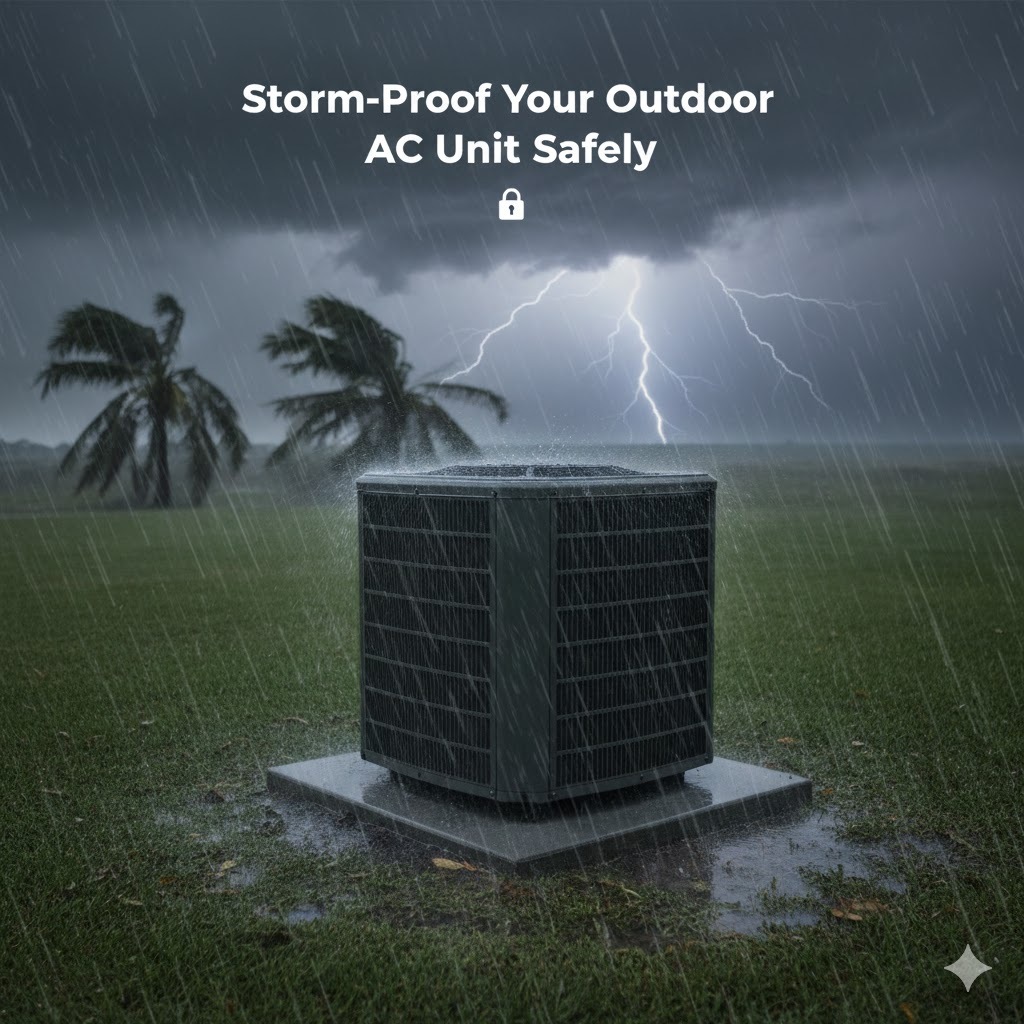
Severe storms can turn a quiet backyard into a dangerous environment for your outdoor AC unit. High winds, driving rain, lightning, and flying debris all threaten the performance and lifespan of your AC unit right when your home comfort matters most. When an AC unit is unprotected, a single storm can lead to expensive repairs, unsafe electrical issues, or a complete cooling shutdown.
The good news is that a clear plan for your AC unit before, during, and after a storm can dramatically reduce your risk. By taking a few preventative steps and knowing exactly what to do at each stage of the storm, you protect both your AC unit and your family’s comfort.
This guide walks through how to get your outdoor AC unit ready for bad weather, what to do with the AC unit while the storm is active, and how to safely restart and inspect your AC unit once the skies clear.
Why storms are hard on your AC unit
Your outdoor AC unit is built for rain, heat, and typical wind, but powerful storms push it far beyond everyday conditions. Strong gusts can hurl branches, roofing materials, and yard items into the AC unit cabinet. Heavy rainfall can overwhelm drainage around the AC unit, causing water to pool or even flood electrical components. Lightning strikes and sudden power surges can damage sensitive electronics inside the AC unit, including the control board and compressor.
Storm damage is not always obvious. An AC unit may still run after a storm but operate less efficiently, cycle oddly, or develop new noises. Left unchecked, hidden storm damage in an AC unit can shorten its lifespan and raise your energy bills. Having a storm plan for your AC unit helps limit damage now and protects your long-term investment in the system.
Before the storm: get your outdoor AC unit ready
Preparation is where you get the biggest return for your effort. As soon as your area is under a watch or warning, use this checklist to get your AC unit ready for what is coming.
1. Create a clear safety zone around your AC unit
Walk a few steps around your AC unit and look for anything the wind could pick up. The goal is to give your AC unit as much open, safe space as possible. Remove or secure:
-
Patio chairs, umbrellas, and tables close to the AC unit
-
Grills, yard tools, and lawn equipment leaning nearby
-
Toys, plant pots, and decorations that could slam into the AC unit
Aim for at least 2–3 feet of open space on every side of the AC unit. This buffer zone reduces the risk of impact damage and, under normal conditions, also lets your AC unit breathe and run more efficiently.
2. Check the condition of your AC unit
Take a moment to closely inspect the AC unit before the weather turns rough. Look for:
-
Rusted or partially detached panels on the AC unit
-
Loose fan guard or any obvious wobble on the top of the AC unit
-
An AC unit pad that is cracked, sinking, or noticeably out of level
If you spot serious issues, schedule a professional visit as soon as possible. A structurally sound AC unit on a stable base is far more likely to withstand high winds and heavy rain.
3. Trim vegetation near the AC unit
Trees and shrubs can turn into weapons during a storm. Branches and heavy limbs above or beside the AC unit may snap and fall on the equipment. Dense bushes can trap debris against the AC unit’s coil.
Prune back:
-
Branches hanging directly over the AC unit
-
Shrubs touching or crowding the AC unit cabinet
-
Vines or plants climbing onto the AC unit
Keeping greenery under control not only protects the AC unit during severe weather but also improves airflow around the system year-round.
4. Address drainage and elevation around your AC unit
Water is one of the biggest threats to an AC unit during storms. If your yard holds water or slopes toward the AC unit, take steps to redirect or manage runoff. In low-lying or flood-prone areas, consider:
-
Regrading the soil slightly so water flows away from the AC unit
-
Adding gravel or drainage channels near the AC unit pad
-
Talking with a professional about installing a higher, flood-resistant AC unit base
An AC unit that sits above known water lines and drains properly stands a much better chance of surviving intense downpours and storm surge.
5. Strengthen the AC unit’s electrical protection
Severe weather often brings power fluctuations and lightning strikes. Without protection, surges can burn out expensive components inside your AC unit. Ask your electrician or HVAC technician about:
-
A whole-home surge protector that covers your AC unit and other major systems
-
A dedicated surge protector for the AC unit’s electrical circuit
-
Verifying proper grounding of the AC unit and disconnect box
While no system can provide perfect protection, upgrading surge and grounding measures greatly reduces the risk of catastrophic electrical damage to your AC unit.
6. Decide if a cover makes sense for your AC unit
Some homeowners like to use a protective cover over the AC unit before a storm, especially in areas with lots of leaves and small debris. If you plan to cover your AC unit:
-
Choose a breathable, AC-specific cover that allows moisture to escape
-
Avoid plastic tarps, which trap condensation inside the AC unit
-
Never run the AC unit with the cover on, even briefly
A proper cover can prevent light debris from entering the AC unit, but it must be removed fully before the AC unit is turned back on after the storm.
During the storm: how to handle your AC unit safely
Once the storm is close, your priority is safety and protecting the AC unit from electrical issues. A few simple steps can make a big difference.
1. Shut down the AC unit before conditions peak
Before wind speeds increase and lightning becomes frequent, power down your AC unit in a controlled way:
-
Set your thermostat to “Off” so the AC unit stops running.
-
If it is safe to access your electrical panel, turn the AC unit’s breaker to the “Off” position.
Turning off the AC unit helps protect it from sudden power loss, brownouts, and voltage spikes. It also prevents the AC unit from trying to operate in unsafe outdoor conditions.
You can help your home stay comfortable longer by pre-cooling earlier in the day. Set the thermostat lower for a few hours in advance so the house and its contents store some of that cool air before the AC unit is turned off.
2. Keep your home sealed to support your AC unit later
While your AC unit is off, keep as much heat and moisture out as possible. This reduces the load on your AC unit when you eventually restart it. During the storm:
-
Keep windows and exterior doors tightly closed
-
Use curtains and blinds to reduce solar heat gain
-
Avoid propping doors open for extended periods
The drier and cooler the home stays during the storm, the easier your AC unit will recover afterward.
3. Avoid going near the AC unit in dangerous conditions
Once winds and lightning are active, stay indoors and away from your AC unit. Do not try to:
-
Adjust or remove covers from the AC unit
-
Clear debris from around the AC unit
-
Flip any outdoor disconnect switches on the AC unit
Electrical hazards, flying debris, and slippery surfaces make it unsafe. Wait until the storm has completely passed before approaching the AC unit.
After the storm: restarting and checking your AC unit
When the worst of the storm seems over, it can be tempting to flip everything back on right away. Taking a few extra minutes to inspect your AC unit can prevent bigger problems and keep you safe.
1. Do an initial visual check of the AC unit
From a safe distance, look over and around the AC unit:
-
Is there standing water around or under the AC unit pad?
-
Are any wires hanging loose near the AC unit or disconnect box?
-
Did large branches, shingles, or objects hit or land on the AC unit?
If you see flooding, exposed wiring, or major impact damage, do not touch the AC unit or restore power. Contact a licensed HVAC professional and, if needed, an electrician to inspect the system before use.
2. Clear away safe, loose debris
If the area appears safe and there is no standing water or obvious electrical damage, gently clear:
-
Leaves and twigs piled against the AC unit cabinet
-
Small branches or light materials resting on the AC unit
-
Any yard items blown back into the AC unit’s clearance zone
Do not remove the top grille or side panels yourself. Focus only on what is lightly touching or blocking the exterior of the AC unit.
3. Inspect the AC unit cabinet and components
Look more closely at the AC unit for any signs of damage:
-
Are the cabinet panels on the AC unit dented or bent open?
-
Is the fan guard on top of the AC unit still straight and secure?
-
Do the coil fins on the sides of the AC unit appear heavily crushed or mangled?
Minor cosmetic damage may not stop your AC unit from running, but significant dents, misaligned parts, or severe fin damage should be evaluated by a professional. Running a compromised AC unit can increase stress on the compressor and other components.
4. Give the AC unit time to dry
If the AC unit was only exposed to normal rainfall, it will usually be fine to restart once the storm has passed and the outer surfaces have shed water. However, if the AC unit was partially submerged or sitting in pooled water, do not attempt to restart it yourself.
Moisture inside electrical and mechanical parts of the AC unit can cause shorts, corrosion, or dangerous shocks. In any case where water rose above the base of the AC unit cabinet, have a professional assess it before restoring power.
5. Restore power and restart the AC unit properly
Once you are confident the AC unit is dry and undamaged:
-
Confirm the thermostat is still set to “Off.”
-
Turn the AC unit breaker in your electrical panel back to “On.”
-
Wait at least 5 minutes to allow internal protections in the AC unit to reset.
-
Set the thermostat to “Cool” and choose a moderate temperature setting.
When the AC unit starts, listen carefully. If you hear grinding, clanking, loud buzzing, or anything drastically different from its normal sound, turn the AC unit off and schedule a service call.
6. Watch AC unit performance closely
After the AC unit has been running for a while, walk around your home and check a few things:
-
Is cool air steadily flowing from your vents?
-
Is the AC unit running smoothly without unusual pauses or rapid cycling?
-
Does the temperature in your home consistently move toward the set point?
If you notice warm air, weak airflow, constant running, or new hot and cold spots, your AC unit may have sustained storm damage that is not immediately obvious from the outside. A post-storm inspection by a qualified technician can diagnose and fix issues before they escalate.
Long-term ways to storm-proof your AC unit
Storm readiness works best when built into your overall AC unit strategy rather than treated as a last-minute scramble. Consider these long-term improvements for better protection.
1. Add a protective structure around the AC unit
A professionally designed protective cage or barrier can shield your AC unit from larger debris and help prevent theft or vandalism. For best results:
-
Ensure the structure is firmly anchored and wind-resistant
-
Maintain adequate clearance so the AC unit can still breathe
-
Leave access panels and connections reachable for service
Avoid fully enclosed boxes or DIY covers that restrict the AC unit’s airflow. The goal is to block impact, not choke the system.
2. Choose AC unit equipment rated for harsh environments
If you are upgrading or replacing your AC unit, mention your local storm and climate conditions to your contractor. Look for:
-
AC unit models with corrosion-resistant coils and cabinets
-
Reinforced fan guards and compressor mounts
-
Installation options that raise and secure the AC unit to withstand wind and water
Spending a bit more upfront on a storm-appropriate AC unit can pay off in fewer breakdowns and longer system life.
3. Commit to regular AC unit maintenance
A well-maintained AC unit is more resilient when storms hit. During routine maintenance visits, a technician can:
-
Tighten electrical connections and check for weak points
-
Clean coils and straighten fins on the AC unit
-
Confirm the AC unit disconnect and safety controls are functioning
-
Spot early signs of wear that storms could worsen
Many service companies offer maintenance plans that include priority scheduling after major weather events. That means faster help for your AC unit when the entire community is calling at once.
Keep your AC unit safer through every storm
Severe weather may be inevitable, but major damage to your AC unit does not have to be. By clearing the area around your AC unit, securing its electrical protection, managing drainage, and following safe shutdown and restart steps, you greatly reduce the risk of costly repairs and unexpected failures.
Treat storm preparation as a normal part of taking care of your AC unit. With a simple checklist and a bit of planning, you can help ensure your outdoor AC unit is ready to cool your home again as soon as the clouds break and the sun returns.