 Loading... Please wait...



Save Money. Grow Your Own!
Fast Plain Box Shipping.
We ship to the US & Canada.
Grow Your Own!
Humidity Issues: Causes, Risks & Real Fixes at Home
Posted by Albert F on 17th Dec 2025
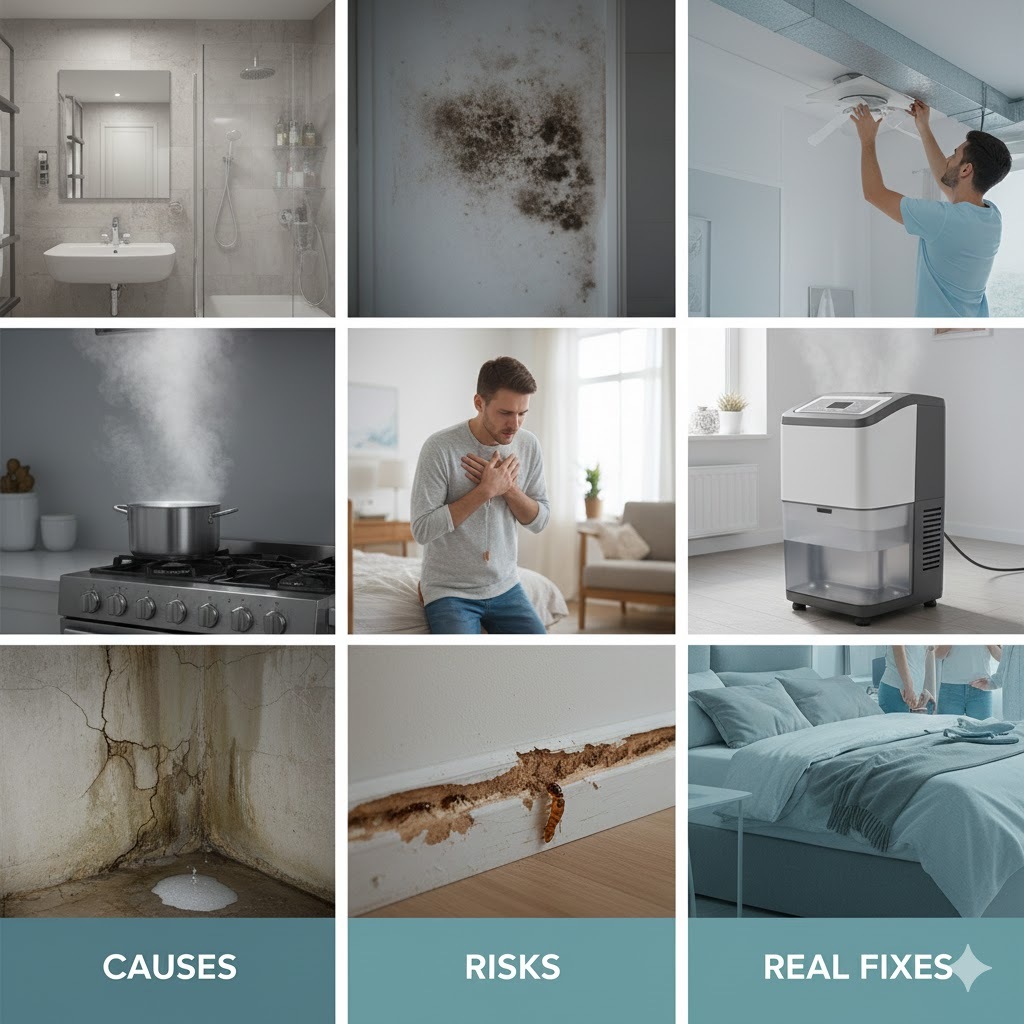
What “Humidity Issues” Really Mean
Humidity issues occur when the amount of moisture in your indoor air consistently falls outside the healthy range, typically between 40% and 60% relative humidity. When levels climb above this range, your home feels sticky, your AC struggles, and surfaces stay damp longer than they should. When levels drop below it, your air feels dry, irritating your skin and sinuses.
Most homes struggle with too much humidity rather than too little. Excess moisture can hide in walls, crawlspaces, basements, and ductwork, creating problems you may not notice right away. Understanding humidity issues is the first step toward solving them effectively instead of masking symptoms with extreme thermostat settings.
Common Causes of Humidity Issues
Humidity issues often begin with the local climate, especially in warm or coastal regions where outdoor air is naturally moist. When this air infiltrates your home through gaps in windows, doors, or building materials, it raises indoor humidity even if the thermostat reading looks normal. Everyday activities like cooking, showering, and drying clothes indoors add even more moisture.
Your HVAC system can also contribute to humidity issues. An oversized air conditioner may cool your home so quickly that it shuts off before pulling much moisture from the air. Poorly sealed ductwork, inadequate ventilation, and clogged filters limit airflow and reduce your system’s ability to control humidity, even if the equipment is relatively new.
Health Risks Linked to Humidity Issues
Unresolved humidity issues are not just a minor comfort complaint; they can directly impact your health. High humidity environments create ideal conditions for mold and dust mites, both of which are common triggers for allergies and asthma. People with respiratory issues often feel symptoms worsen when indoor air is damp and stagnant.
Excess moisture can also intensify odors and allow bacteria to thrive on damp surfaces and fabrics. This combination may lead to persistent musty smells and a generally “heavy” air quality that never feels fresh. Over time, the constant exposure can contribute to headaches, fatigue, and chronic irritation of the eyes, nose, and throat.
Structural and Property Damage from Humidity Issues
Humidity issues do more than affect how you feel—they can quietly damage your home and belongings. Persistent moisture can cause wood to swell, warp, or rot, impacting floors, doors, trim, and even framing. You may notice doors sticking, floorboards cupping, or paint bubbling as early warning signs.
Condensation on windows and walls is another red flag. When moisture frequently condenses and sits on surfaces, it can stain drywall, encourage mold growth behind baseboards, and degrade insulation performance. Over time, this hidden damage becomes costly to repair, especially if it reaches framing, subflooring, or structural components.
Comfort Problems Caused by Humidity Issues
One of the most frustrating aspects of humidity issues is how they distort your sense of comfort. High humidity makes the air feel warmer than it actually is, so you may keep lowering the thermostat just to stop feeling sticky. This leads to higher energy use without truly solving the underlying moisture problem.
In homes with humidity issues, different rooms often feel inconsistent. Some spaces may seem cool but clammy, while others feel stuffy and stagnant. Bedrooms, basements, and rooms over garages are especially prone to lingering moisture, creating pockets of discomfort that can interfere with sleep and daily routines.
Early Warning Signs of Humidity Issues
Catching humidity issues early is much easier than reversing long-term damage. Watch for condensation on windows, especially in the mornings or after cooking or showering. Consistently fogged glass or damp window sills suggest moisture is building up inside the home.
Other warning signs include musty odors, visible mold spots on walls or ceilings, and fabrics that feel damp even in “clean” rooms. If your AC runs often yet the air still feels heavy, or if you notice higher-than-normal energy bills in warm months, humidity issues may be working against your HVAC system’s efforts to cool your home.
Role of Your AC in Humidity Issues
Your central air conditioner plays a major role in managing—or worsening—humidity issues. As warm air passes over the system’s cold evaporator coil, moisture condenses and drains away, reducing humidity along with temperature. This is why a properly sized, properly running AC system can help control moisture.
However, if the system is oversized, poorly maintained, or paired with incorrect thermostat and fan settings, it may not run long enough to remove meaningful moisture. Short cooling cycles cool the air but leave humidity relatively high, resulting in that cold but clammy feeling. Over time, this pattern can make humidity issues worse, even though you are running the AC more.
Thermostat and Fan Settings That Help
Simple thermostat and fan adjustments can make a noticeable difference with humidity issues. Setting your thermostat to a reasonable temperature, rather than the lowest possible setting, lets the system run longer, which increases moisture removal per cycle. In many homes, a summer set point around 74–78 degrees works well when humidity is properly managed.
The fan mode is equally important. Using the “Auto” setting, rather than “On,” prevents the fan from constantly blowing air across the wet coil when the compressor is off. If the fan runs without active cooling, it can re-evaporate water that has condensed on the coil, pushing humidity back into your home and prolonging humidity issues.
Portable Dehumidifiers and Localized Humidity Issues
Portable dehumidifiers offer a straightforward way to target localized humidity issues in specific rooms. These plug-in units draw in damp air, condense the moisture into a tank or drain hose, and then return drier air to the room. They are especially useful in basements, laundry rooms, bathrooms, or bedrooms where moisture tends to concentrate.
The advantages are clear: relatively low upfront cost, simple setup, and flexibility to move units where they are needed most. However, they demand regular attention, including emptying the reservoir, cleaning the filter, and managing the noise and heat the unit produces. For widespread humidity issues affecting an entire home, relying solely on portable units quickly becomes inconvenient.
Whole-Home Dehumidifiers for Persistent Humidity Issues
For widespread or stubborn humidity issues, whole-home dehumidifiers offer a more comprehensive solution. These systems integrate with your existing HVAC ductwork and treat the air throughout the home. As air circulates, the dehumidifier strips out excess moisture before the conditioned air is delivered back to each room.
Because whole-home systems are controlled by a dedicated humidistat, they can maintain consistent humidity levels independent of the thermostat. This means they can address humidity issues even on days when the AC does not need to cool very much, such as during mild but muggy weather. The result is more stable comfort and reduced moisture-related stress on your home and HVAC equipment.
Ventilation and Building Envelope Factors
Humidity issues are often tied to how well your home breathes and how tightly it is sealed. Poorly sealed homes allow humid outdoor air to infiltrate through cracks and gaps, making your AC and dehumidifiers work harder. On the other hand, homes that are too tight without proper mechanical ventilation can trap moisture from cooking, showers, and daily living.
Balanced ventilation strategies, like exhaust fans in bathrooms and kitchens, and controlled fresh air intake systems, can help remove excess moisture at the source. Sealing air leaks around windows, doors, and penetrations reduces uncontrolled infiltration. Together, these measures support other humidity control tools and address humidity issues at the structural level.
Humidity Issues and Energy Efficiency
Humidity issues directly affect energy efficiency. When indoor air is too humid, you feel warmer and often drop the thermostat temperature to compensate. This increases run time and energy consumption, even though the root cause is moisture, not heat. The home ends up overcooled but still uncomfortable.
By focusing on humidity first, you can often raise the thermostat several degrees while feeling just as comfortable—or even more comfortable. Whether through optimized AC operation, dehumidifiers, or whole-home solutions, addressing humidity issues reduces strain on your HVAC system and can lower monthly energy bills.
Long-Term Strategy for Managing Humidity Issues
Effective management of humidity issues usually involves a layered strategy rather than a single product. Start with good building envelope practices: seal air leaks, use exhaust fans where moisture is produced, and avoid drying clothes indoors. Maintain your HVAC system with regular filter changes, coil cleaning, and professional inspections.
Then, add the right moisture control tools for your situation. This might include adjusting thermostat and fan settings, using portable dehumidifiers in problematic areas, or investing in a whole-home dehumidifier for comprehensive control. Over time, this multi-step approach helps you turn chronic humidity issues into predictable, manageable conditions.
When to Bring in a Professional
Some humidity issues are easy to handle on your own, but persistent or severe problems warrant professional attention. If you notice recurring mold, strong musty odors, buckling wood floors, or consistently foggy windows, an expert assessment can reveal underlying causes you cannot see. Measuring humidity levels, inspecting ductwork, and evaluating system sizing are key steps.
An experienced HVAC or indoor air quality specialist can design a tailored plan that combines equipment, settings, and home improvements to keep humidity issues under control year-round. This guidance helps you avoid trial-and-error spending, extend the life of your HVAC system, and protect both your comfort and your home from the hidden costs of excess moisture.