
When do you know that your harvest is ready?
So you've gotten good at nourishing plants all the way through a grow cycle -- but how do you know about the endgame? How do you figure out when it's time to harvest plants and how to pursue this final step?
Every plant is different, but here are some of the general ways that growers figure out harvesting times and how to go ahead with reaping their rewards from the plants that they have grown from seeds or seedlings.
Use Calendars
Plants always have a grow calendar that growers can look up to figure out how long it is from germination to maturity. These calendars are a key resource -- it's not that you go by the day, but you get a sort of general idea of when plants could be ready for harvest, and mature enough to start processing.
Observation
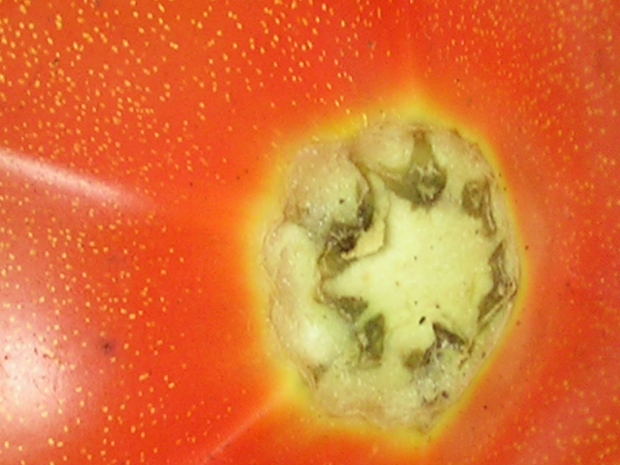
Another way to pursue this is to observe the plant and look for those peak times when the plant is ripest, but not yet over-ripe. There are many ways to do this according to the individual plant. Things like pistils and stamens can provide helpful clues. Growers can get also get clues from stem diameters, plant height, and subtle cues from leaves or other part of the plant.
Through a trial and error process, growers will typically get better at observing plants this way and figuring out when they have reached their peak. And when you find that plants are at their peak, time is of the essence in harvesting. Harvesting at a precise point can help increase the yield and also the quality of the products that you get from plants.
Continual Harvest
In a lot of cases, the above tips become less of an intensive method, and more of a general guideline. This is because so many plants are open to what you could call “continual harvest” -- instead of getting everything out of the plant in one day, growers harvest individual fruits, buds, leaves or other products as needed. For example, with lettuce, you don't take the whole head out of the plant pot unless you’re harvesting commercially. If you're using the food at home, you're much more likely to pull off a few leaves for a salad, and leave the rest alone. The same is true with green herbs and all kinds of other hydroponic plants. Instead of harvesting the plant all at once, you can use parts of it for the dinner table, for commercial sale or as gifts, while the rest of the plant continues to replace what you've taken away from it.
For more on hydroponics and everything that goes with it, check out Dealzer’s product catalog with over 1500 pieces of equipment, and all of the information that we offer to a worldwide community of growers.
Recent Posts
-

Affordable Electronics for Serious Hydroponics Power
Running a large hydroponic grow isn’t just about nutrients and lighting recipes—it’s also about depe …4th May 2026 -
Classical & Jazz Music for Faster Plant Growth: Evidence
Can certain kinds of music—especially classical or jazz—help plants grow faster? The short, science …27th Apr 2026 -
Can “DNA-Soaked” Seeds Grow Healing Foods?
The idea is captivating: place a seed in your mouth, let your saliva coat it with your DNA, then pla …24th Apr 2026