
GrowBox Maintenance - Making sure your box is working properly
So you have a grow box up and running with plants inside. That's great. Now it's time to look at the day-to-day aspects of nursing plants and making sure they're on the right path to harvest.
Here are some key ways of doing grow box maintenance that we suggest for newer and less experienced growers.
Keep Analyzing Light/Dark Cycles
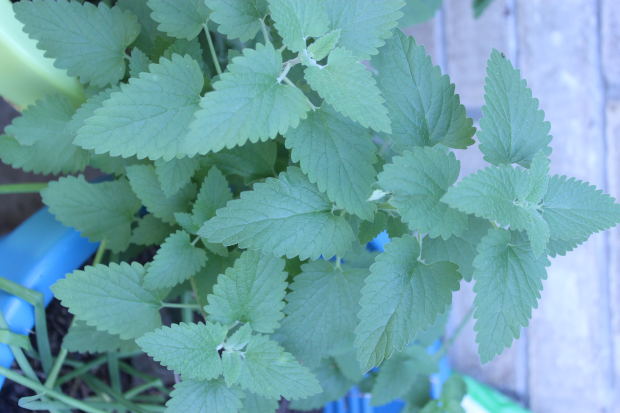
You have to make sure that plants are getting enough light, and the right kinds of light, for good development. Pay careful attention to corner plants and other plants that might be getting crowded out for resources. It's also important to look at a particular light/dark setups that you set up to complement a plant’s circadian rhythms. These light and dark cycles help plants with the core processes of growing, and can have a big effect on them in any stage progressing toward maturity.
Air and Water Handling
This just might be the single most important point of grow box maintenance. You have to make sure that neither air nor water is getting stale inside the grow box. But some of the biggest responsibilities for water handling have to do with the reservoir.
Over time, reservoirs can get contaminated with solids and bacteria. The pH value can shift, and other aspects like water temperature can change. Growers need to be on top of the reservoir to keep it clean and consistent as a vital resource for plants. The chemistry inside the reservoir has to be micromanaged to a great extent. Then there's the issue of getting that water into irrigation structures and out to plant roots at predictable times. Making the “trains run on time” is entirely crucial to good plant health.
Assessing Space
As the plants grow, growers have to look at whether they're getting crowded or stunted, or running out of room. Whether plants are tall and thin or short and stocky, growers need to prepare the grow box to accommodate their needs. For taller plants, this might involve getting an interior trellis or other resource set up to help manage growth.
Pruning, Cutting and Evaluating
Growers also have to pay careful attention to plant surfaces. They have to look at symptoms like brown or withered leaf tips to deal with emergencies like blight, bacterial invasion or nutrient burn. They may also have to cut off and remove dead material from the grow box so that live parts of plants can grow well.
Recent Posts
-

Affordable Electronics for Serious Hydroponics Power
Running a large hydroponic grow isn’t just about nutrients and lighting recipes—it’s also about depe …4th May 2026 -
Classical & Jazz Music for Faster Plant Growth: Evidence
Can certain kinds of music—especially classical or jazz—help plants grow faster? The short, science …27th Apr 2026 -
Can “DNA-Soaked” Seeds Grow Healing Foods?
The idea is captivating: place a seed in your mouth, let your saliva coat it with your DNA, then pla …24th Apr 2026