
How to know 'what's wrong with your plant" (nutrient deficiency, nutrient burn etc)
Troubleshooting a hydroponics crop cycle isn't always easy.
When problems arise, it's hard for beginners or even seasoned hydroponic growers to quickly identify what's wrong with plants. Here are some general guidelines you can use to stay on top of your plant’s conditions and recognize hydroponics problems sooner.
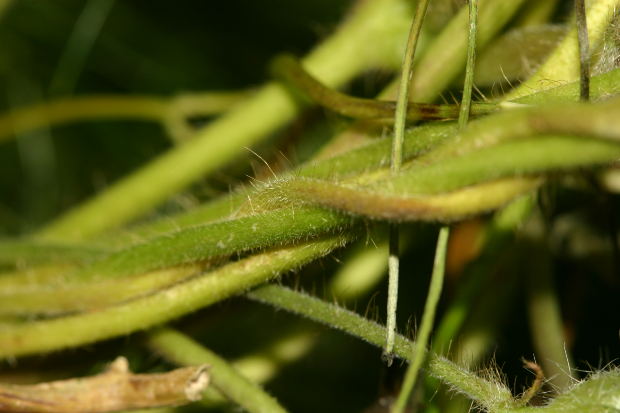
Know the warning signs and how to spot them
Despite the fact that a lot of symptoms for plant burning, bacterial blight and other problems are often similar, you can sometimes get a good range of advice from looking at actual images of other crop cycles that have had similar problems in the past. Pull up the Internet and look for the specific crops that you’re growing. For example, you may see specific evidence of yellowed and withered leaves or leaf tips in a picture, and recognize that this is very similar to what you are seeing in your own garden. That in turn will give you a potential diagnosis you can work with.
Check on the plants’ overall environment
Some handy places to start with hydroponics troubleshooting are related to the reservoir and what plants are in taking in, in terms of air and water. First, check the pH value. If it's way off, this is probably part of the problem. Also look at temperature and humidity. Make sure water is bubbling correctly through the tubing system, and that air is not stagnant or oxygen deficient.
Compare to previous cycles
Are your plant suffering this time around? Is there something that you did differently?
For many growers, hydroponics is, first and foremost, a trial and error process. We learn by changing what we did before and observing the results. Because your garden has its own particular environment and situation, it's more effective to compare your current crop cycles to others that you've done in the past than it is to try to compare your work to someone else's.
These are three fundamental strategies for controlling plant growth and being able to recognize problems when the happen. This is just part of maintaining a great grow space, along with routine maintenance such as pruning, keeping debris and possible bacteria breeders out of the environment, and making sure plants get enough light and everything else that they need.
For help with all of these processes, turn to the modern equipment and systems that manufacturers and sellers are selling now. Get out in front of this exciting industry with the stuff that you'll need to achieve great success with home or commercial project.
Recent Posts
-

Affordable Electronics for Serious Hydroponics Power
Running a large hydroponic grow isn’t just about nutrients and lighting recipes—it’s also about depe …4th May 2026 -
Classical & Jazz Music for Faster Plant Growth: Evidence
Can certain kinds of music—especially classical or jazz—help plants grow faster? The short, science …27th Apr 2026 -

Can “DNA-Soaked” Seeds Grow Healing Foods?
The idea is captivating: place a seed in your mouth, let your saliva coat it with your DNA, then pla …24th Apr 2026