
How to Maximize Your Grow Lights' Efficiency for Optimal Plant Growth
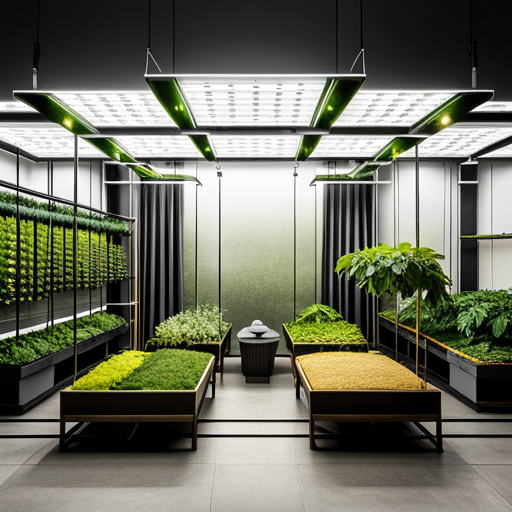
1. Select the Right Grow Lights:
When it comes to grow lights, the market offers a wide range of options. Different types of grow lights, such as High-Pressure Sodium (HPS), Light Emitting Diodes (LEDs), and Compact Fluorescent Lights (CFLs), have their pros and cons. Consider factors such as light intensity, spectrum, and energy efficiency before making your decision. LEDs are becoming increasingly popular due to their low energy consumption, long lifespan, and the ability to provide a wide spectrum of light.
2. Determine Optimal Placement:
Proper placement of your grow lights is crucial for efficient light distribution across your plants. Ensure that the lights are positioned at the correct distance from the plants to avoid burning them. As a general rule of thumb, maintain a distance of 12-18 inches for LEDs and 24-36 inches for HPS lights. Consider using reflectors or light hangers to maximize light coverage and minimize wasted energy.
3. Utilize Light Cycles:
Just as outdoor plants rely on changes in sunlight to regulate their growth cycles, indoor plants require specific light cycles for optimal growth. Most plants benefit from a combination of 16-18 hours of light and 6-8 hours of darkness per day during the vegetative stage. During the flowering stage, reduce the light cycle to 12 hours of light followed by 12 hours of darkness. Ensure you maintain consistent light cycles to support your plants' health and encourage the best growth outcomes.
4. Implement Light Supplement Strategies:
In addition to maintaining consistent light cycles, supplementing your grow lights with natural sunlight or additional light sources can greatly enhance their efficiency. Consider positioning your indoor garden near a window or using skylights to introduce natural light when possible. Supplemental light options like T5 fluorescent lights or CFLs can also be strategically placed to provide additional light coverage, particularly for plants in shaded areas.
5. Regular Maintenance and Upkeep:
To maximize the efficiency of your grow lights, regular maintenance and upkeep are essential. Dust and dirt can accumulate on light fixtures, reducing their output over time. Clean your lights periodically using a soft cloth or a gentle cleaning solution. Additionally, regularly inspect and replace any faulty bulbs to ensure consistent light output and avoid any potential disruptions in your plants' growth.
Investing in quality grow lights and optimizing their efficiency is crucial for creating the perfect indoor gardening setup. By selecting the right type of grow lights, placing them at the correct distance, implementing proper light cycles, supplementing with natural light, and performing regular maintenance, you can maximize your plants' growth potential. With the wide selection of top-quality grow lights available at Dealzer, creating an ideal indoor garden has never been easier. Happy gardening!
21st Oct 2023
Recent Posts
-
Affordable Electronics for Serious Hydroponics Power
Running a large hydroponic grow isn’t just about nutrients and lighting recipes—it’s also about depe …4th May 2026 -
Classical & Jazz Music for Faster Plant Growth: Evidence
Can certain kinds of music—especially classical or jazz—help plants grow faster? The short, science …27th Apr 2026 -
Can “DNA-Soaked” Seeds Grow Healing Foods?
The idea is captivating: place a seed in your mouth, let your saliva coat it with your DNA, then pla …24th Apr 2026